
Low-maintenance landscaping in Temple TX comes down to choosing plants and landscaping that will work for you. Mowing less grass is a good start, but in the summer heat, the last thing you want to do after the rain is go out to take care of your grass or landscaping. To help you put together a landscape with flowers, greenery and places to sit, here are seven options for low-maintenance landscaping in Temple TX.
Landscaping requires you to do multiple jobs, demanding a good chunk of your time, from mowing an awkward and hard to reach corner to changing flowers every season. So depending on how much time you can put aside for landscaping, your low-maintenance options can include dwarf shrubs, shade groundcover, mulch, ornamental grasses, stone patios, gravel paths, and native flowering beds, as all of them minimize yard chores differently.
Do you feel like you have to replace the flower beds in your front yard every season? Consider switching to autumn sage instead. According to Texas A&M, autumn sage is a Texas native, and it produces small red, pink or white flowers. It likes either sun or partial shade, as well as good drainage. Plus it can add to the curb appeal of your property without you having to put in extra work.
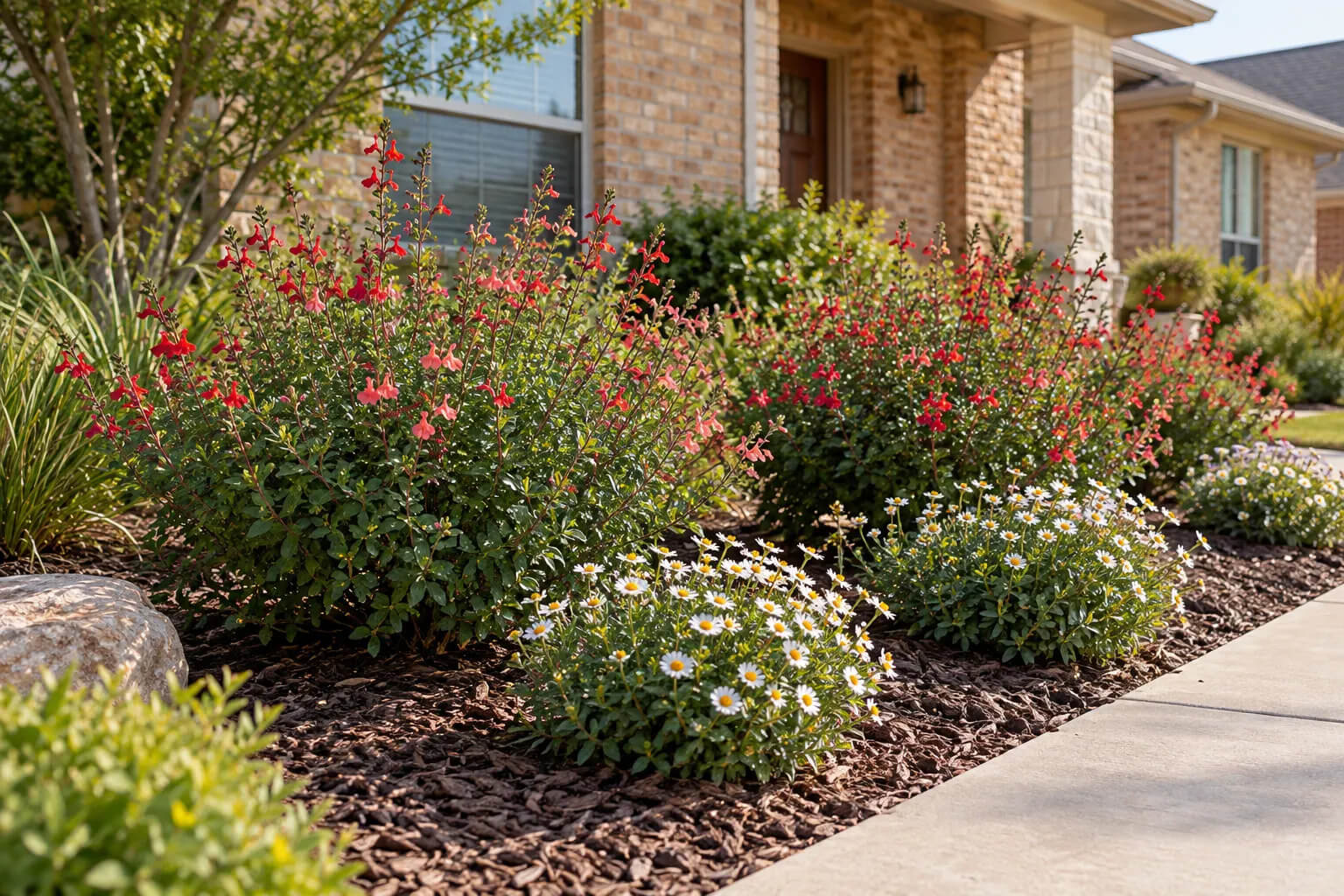
If you pick a few flowers to put on either side of your front walk and repeat them, you’ll have a beautiful accent for your front yard that doesn’t require a lot of work.
Autumn sage does need to be shaped in Late-winter shaping for good health, and it needs to be trimmed lightly after it blooms in the spring. Just don’t try to trim it in the late summer when drought is a concern.
Having to repeatedly trim hedges can be time-consuming but you can escape this chore by planting dwarf varieties of yaupon holly around the foundation. Once given room to grow, this kind of evergreen requires very minimal trimming to stay in best shape.
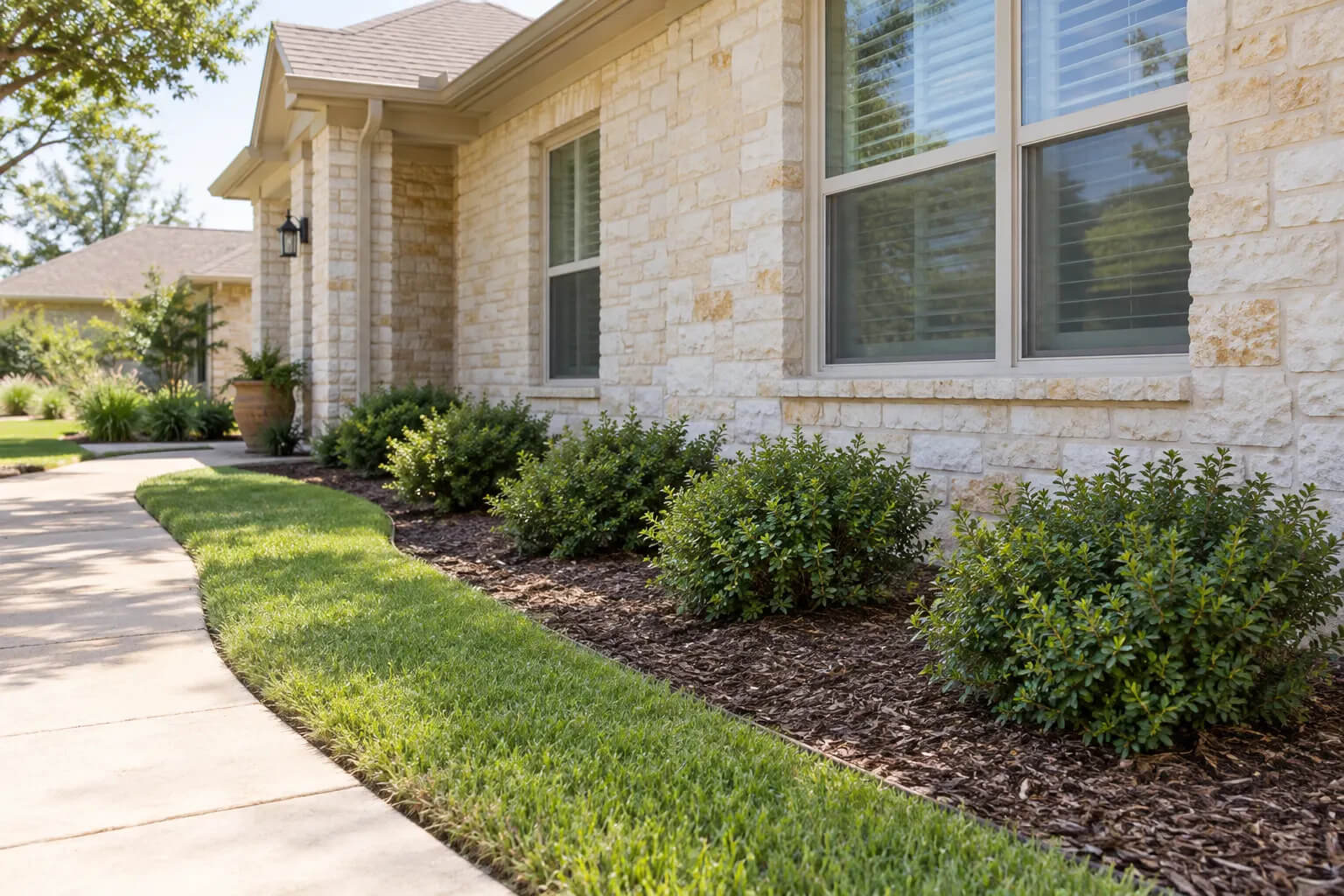
Professional landscapers Temple TX recommend your area below the window should include cultivar name and mature width because a standard yaupon can grow higher than compact shrubs and block your windows.
And don’t worry if the bed looks a bit open initially, give them some time and they will grow without crowding the walkway or covering the window. You can use some mulch between them while they fill out.
This one is for shaded places so keeping a lawn becomes difficult. Horseherb, aka, straggler daisy creates a low green cover with small yellow flowers and can handle moderate foot traffic.
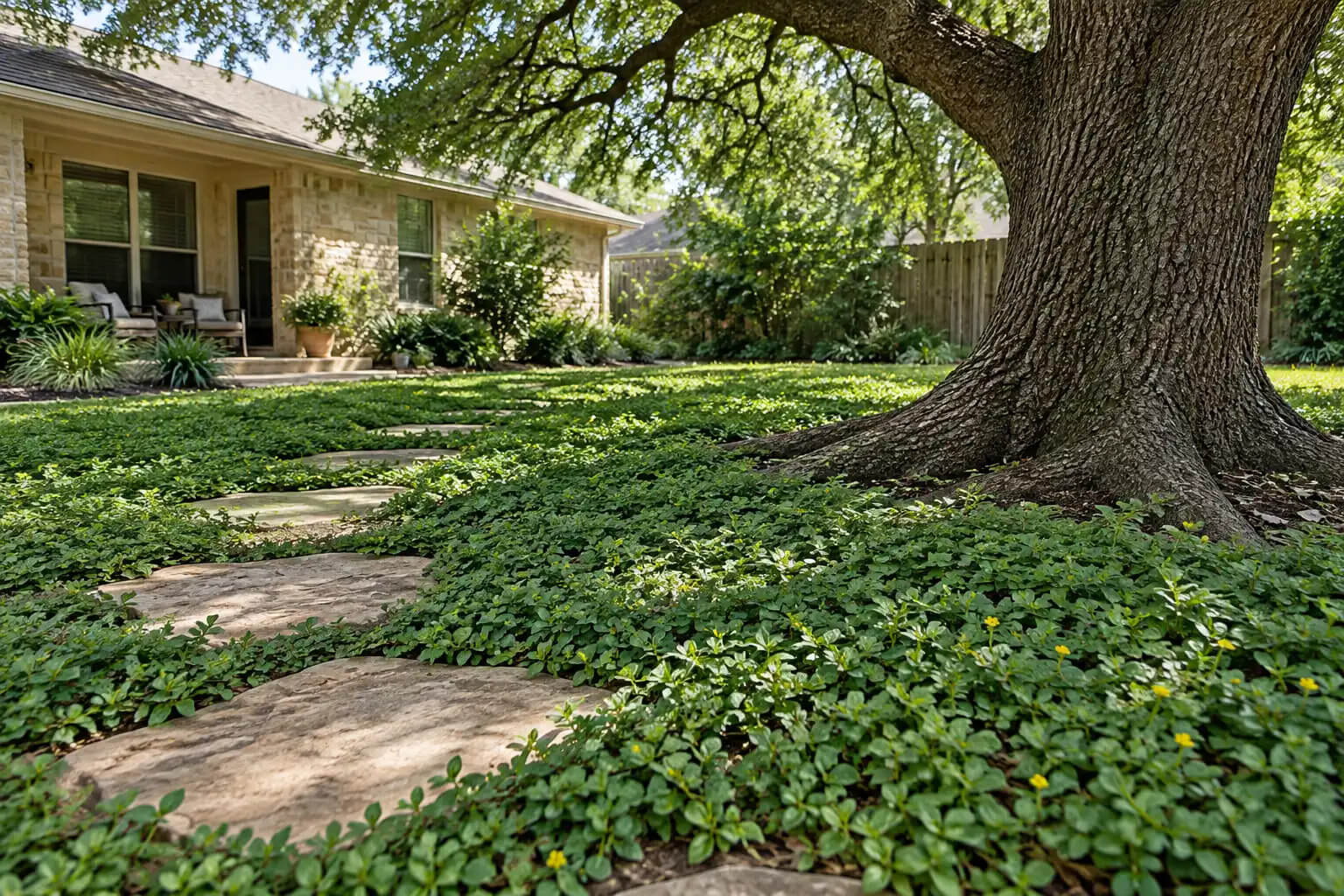
If your walkway has an established tree, you can use horseherb beneath it while placing stepping stones along the way to your back gate. This will provide you with a planted area without requiring you to mow every exposed root. Keep in mind that horseherb spreads readily and can have reduced coverage based on the season, so it fits a more informal garden where it's acceptable to have some appearance changes and keep its growth out of the neighboring beds.
Gulf Muhly gives you pink flower plumes during fall and movement to a sunny border without requiring you to regularly mow. Putting a row across the front of your fence or beside the driveway can add some softness to a long, bare boundary. However, the bed requires some space to ensure the mature clumps stay clear of the walkway.
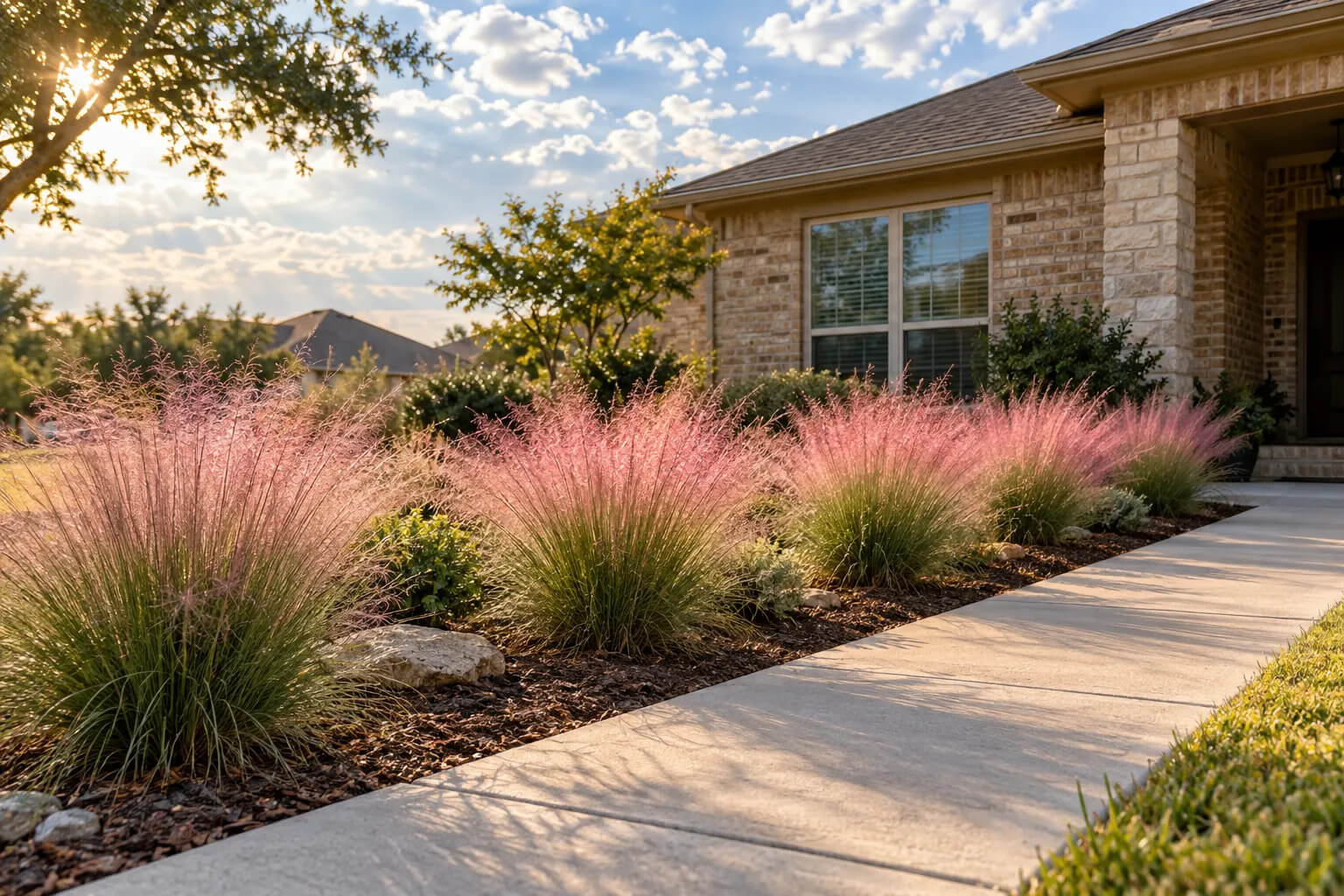
The main scheduled job is a late-winter cutback before new growth begins, with division needed every few years as clumps mature. Central Texas Gardener also warns against keeping the base constantly wet, so this is a better choice for a sunny, well-drained bed than a soggy corner beneath a downspout.
You can minimize the exposed soil requiring you to weed if you cover the soil with hardwood mulch. As per the Texas A&M's Earth-Kind guidance, you can maintain around a 3-inches layer of plant-derived mulch in your landscape beds. It helps moderate soil temperature, adds organic matter when it breaks down, and the ground retains moisture as well.
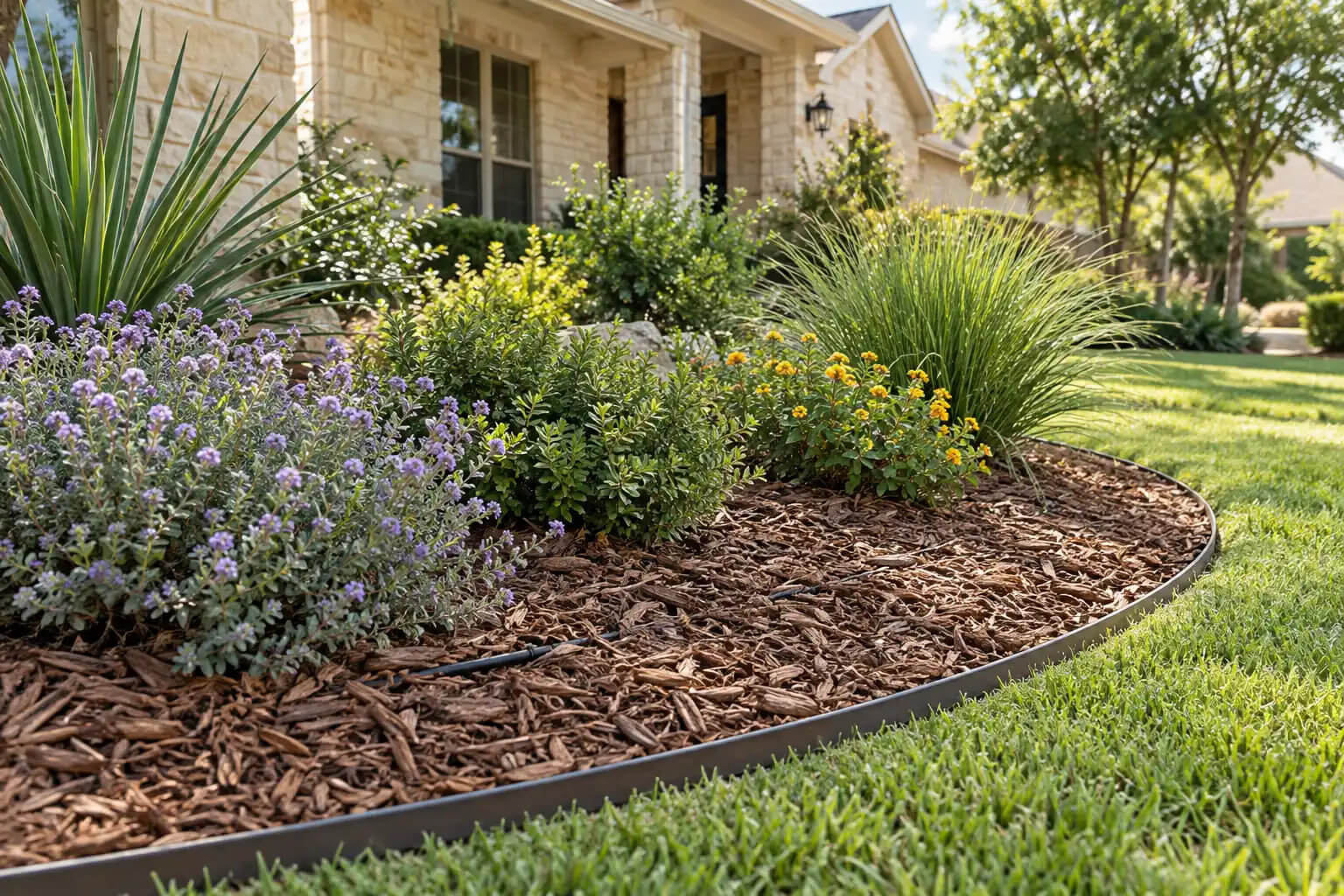
This is a useful first project if your existing shrubs are healthy and you mainly want the beds to look tidier. You can remove the weeds and keep fresh mulch away from plant stems and tree trunks. Topping up every year without checking the depth can leave an unnecessarily deep layer, so you may only need more mulch in the thin spots.
An edged gravel path removes a patch of grass from your mowing routine and gives you a route through the yard. It works particularly well beside the house or between a gate and a patio, where you already walk regularly.
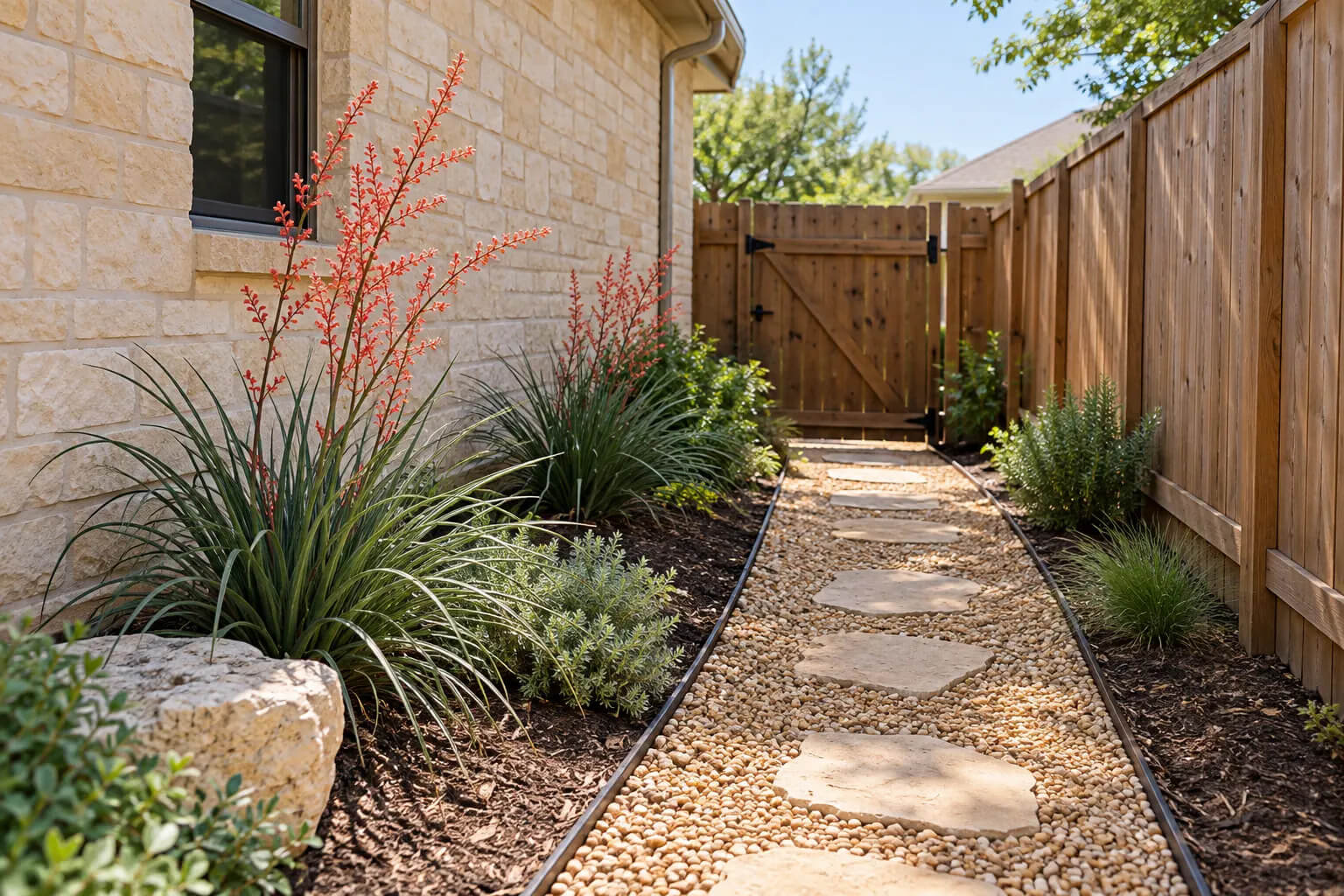
Gravel isn't maintenance-free. Oregon State University notes that rock mulch does not provide lasting weed control. You will still have some weeding and raking to do.
Also, covering every planting bed with stone can add heat, which is why LCRA recommends limiting rock mulch to small suitable areas, including paths and succulent beds. Organic mulch can remain around the surrounding plants, with edging to contain the gravel.
A small stone patio gives you somewhere to sit while reducing the lawn area you have to cut. If you rarely use the grass outside your back door, a modest seating area may be more useful than another flower bed. A two-chair seating area may be enough for morning coffee.
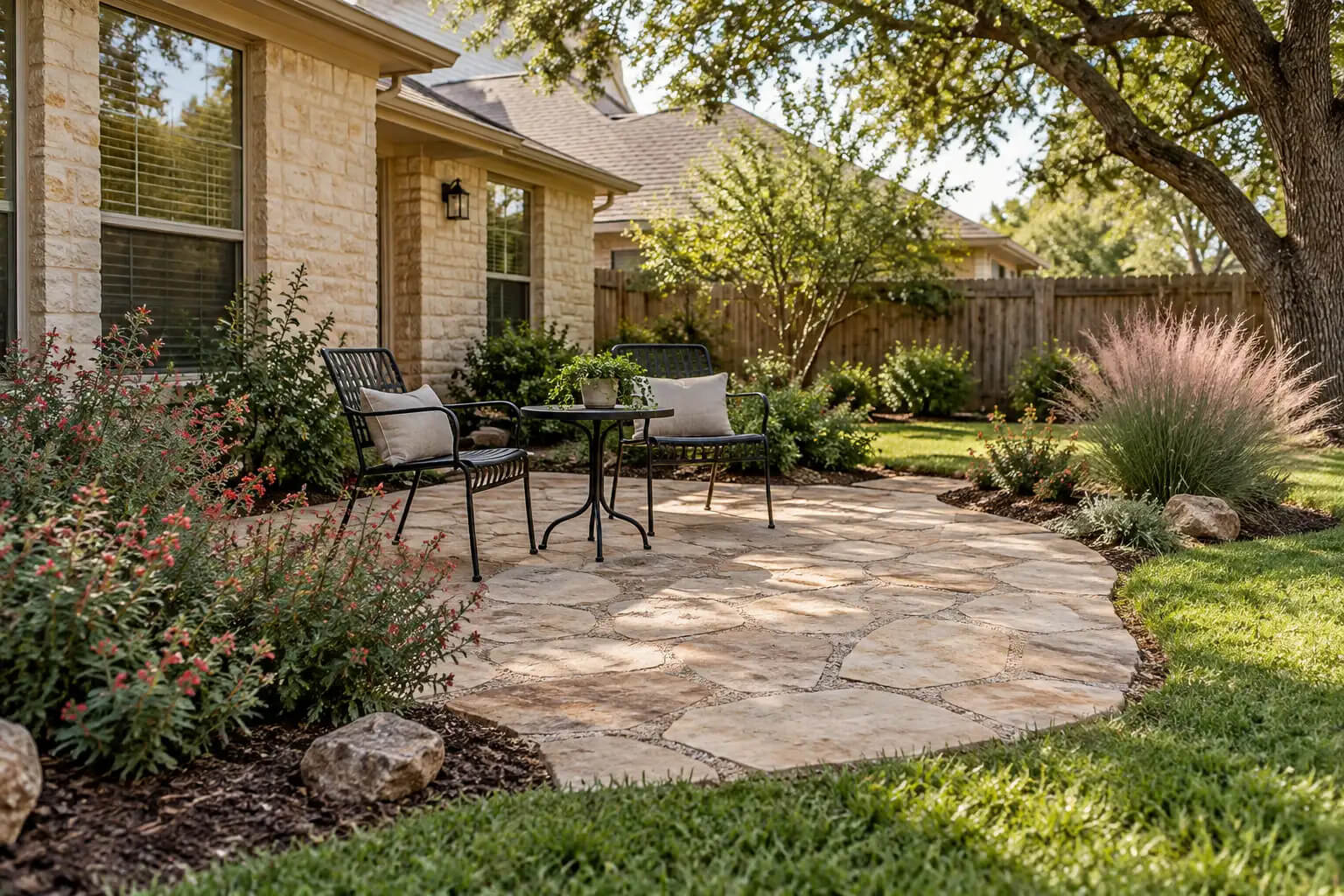
The installation quote should explain the base preparation, joint material, and where rainwater will go. Your ongoing jobs will include sweeping leaves, removing weeds from open joints, and checking for loose or uneven stones.
Lone Star's landscaping services include stone patios and outdoor living spaces, so you can discuss the patio and surrounding planting as one project.
Your yard's sunlight, drainage, and existing plants should guide the design. USDA describes Heiden clay, with its reference location in Bell County, as very slowly permeable. Water enters it much more slowly when wet, which makes drainage worth checking before choosing plants.
Your property may have different soil or imported fill. Photos after rainfall and notes about afternoon shade give a contractor something useful to work with when planning a Temple landscaping project. Useful details include:
Make sure to ask which healthy plants can remain because removing an established shrub just to install a new design adds to both the settlement time replacements needed and installation work.
If you go for a gravel area, you generally pay less than installing a flagstone patio. Here’s an estimated comparison of the two:
Take these national figures with a grain of salt because site preparation, access, drainage, and edging can change the cost.
You can leverage drip irrigation to reduce the time spent on moving a hose around the planting beds. The water is delivered slowly near the roots, helping reduce runoff and evaporation.
Nevertheless, plants you’ve selected even for dry conditions need some attention while their roots are establishing. Your watering schedule may change as the plants grow and weather changes.
When you are hiring landscapers in Temple TX, inquire how their system will take care of plants with varying watering needs and how you can adjust it after rain and deal with leaks.
If you want to spend less of your weekends working on the yard and more time on enjoying the day then we can help. Lone Star is one of the most professional landscape companies Temple TX homeowners can hire. From planting, stone patios, and xeriscaping to drip irrigation and routinely landscaping maintenance, we can do it all.
Our professional landscapers in Temple TX can work with the space you have available and plan the project as per your chore-minimizing preferences. So dial (979) 304-1962 and talk to our pros today!
No, keep the grass you use and change the small areas that are hard to maintain. For instance, if you replace the narrow side strip, you leave the main lawn for children or pets to play while getting rid of an awkward mowing area for your landscape maintenance routine.
It's usually not necessary to add landscape fabric beneath wood mulch in planting beds. As per Iowa State Extension, the fabric separates soil from decomposing mulch while allowing weeds to grow above it. Plus, the mulch might blow or wash away.
Your water provider can confirm the rules before you schedule the work. Temple's drought plan sets different irrigation limits for different stages, so an old watering schedule may no longer apply. This check is especially useful when new plants will need regular watering.